Vendor Scout
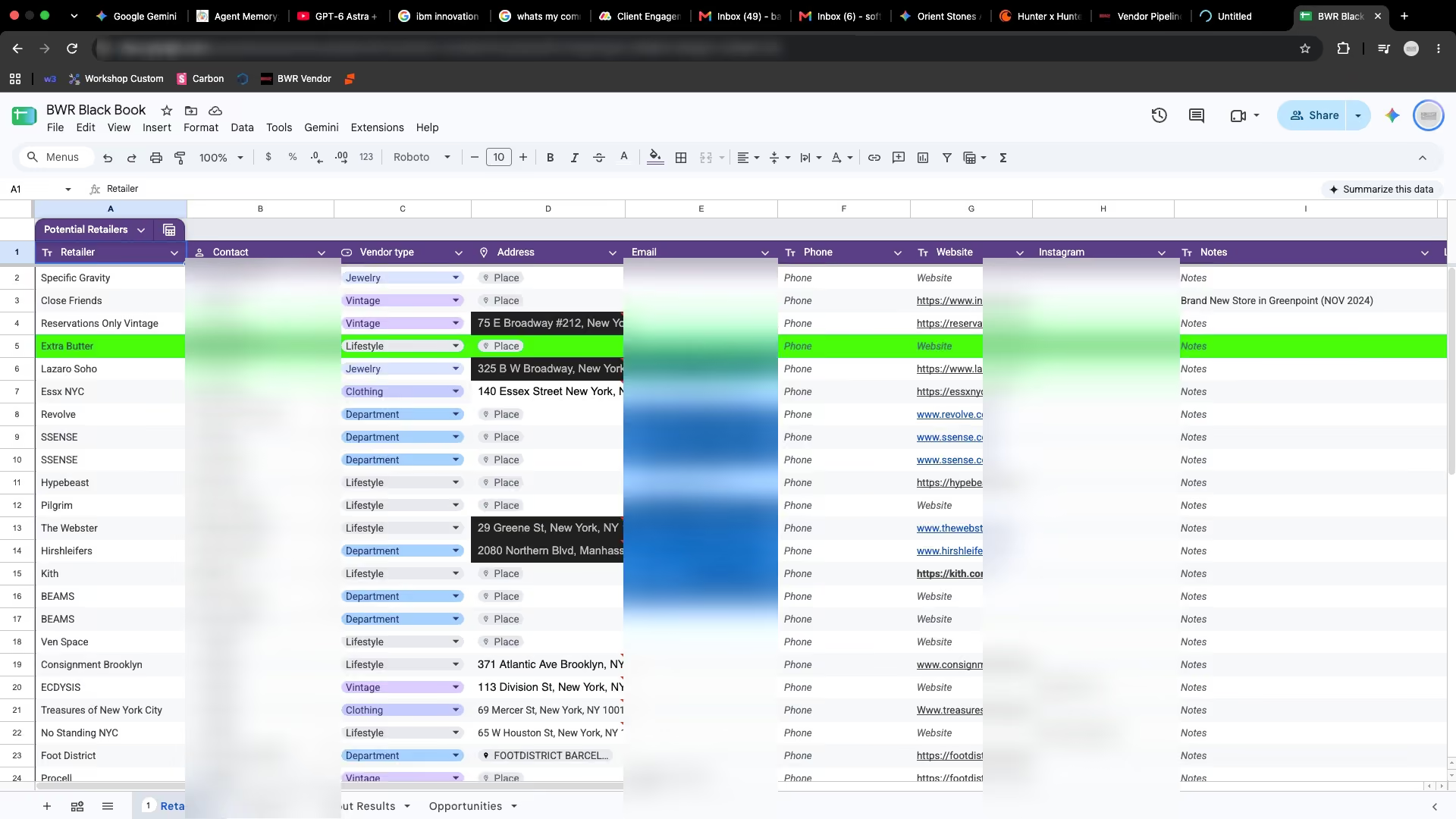
A pipeline of agents that finds wholesale vendors, drafts the outreach, and by default can never send.
Design / Preproduction
- Figma
Frontend / Logic
- Python 3.11
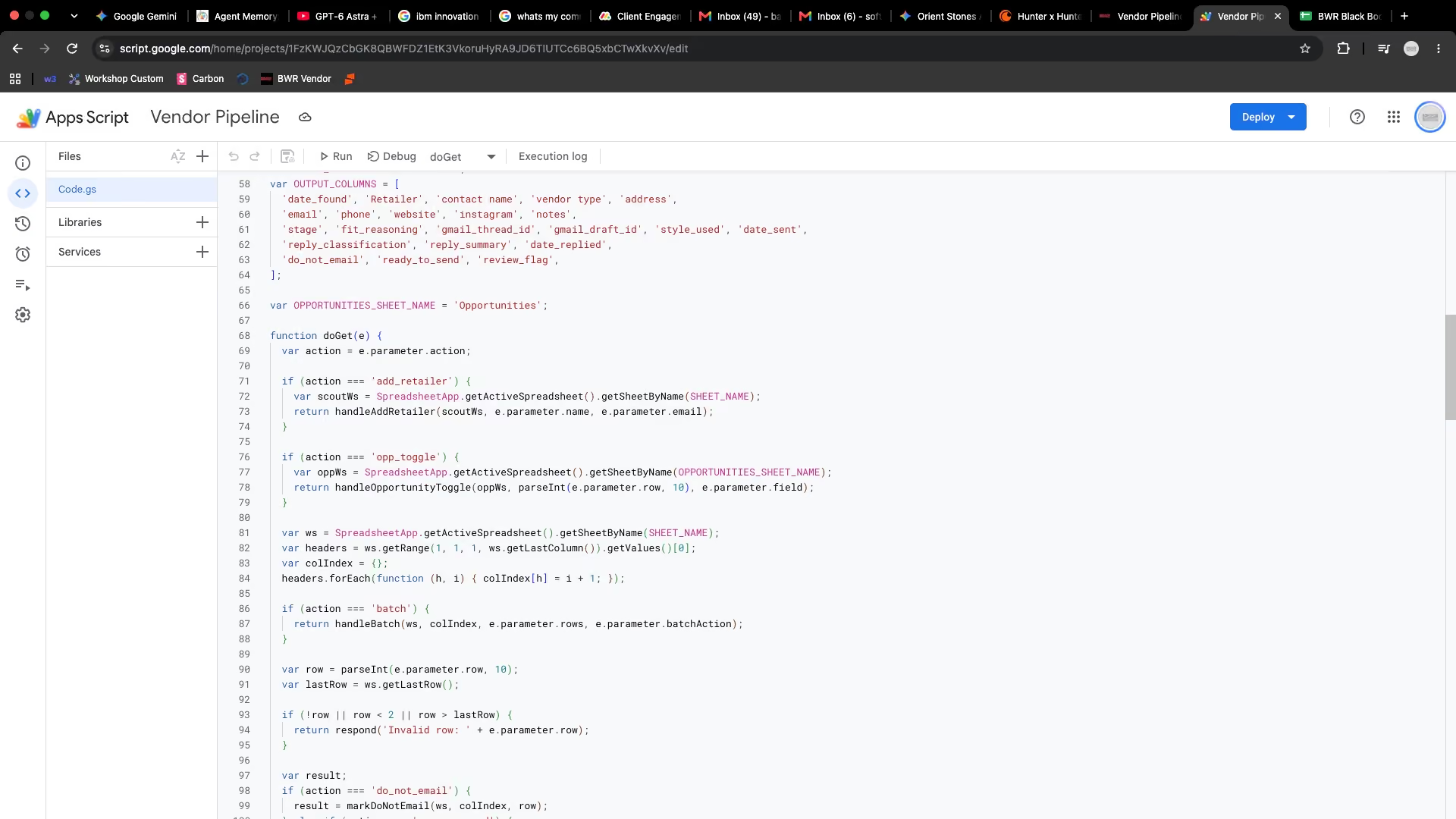
- Google Apps Script
- HTML
AI Orchestration
- Claude
- Anthropic API
- Web search
Infrastructure
- Google Sheets
- Gmail API
- Shopify Admin GraphQL
- GitHub Actions
Engineering challenge
Roughly two hours a day went into wholesale outreach — finding boutiques, drafting emails, tracking who replied, remembering to follow up. Cold email now averages about a 3.4% reply rate, so most of those hours were being spent on messages that would never get answered.
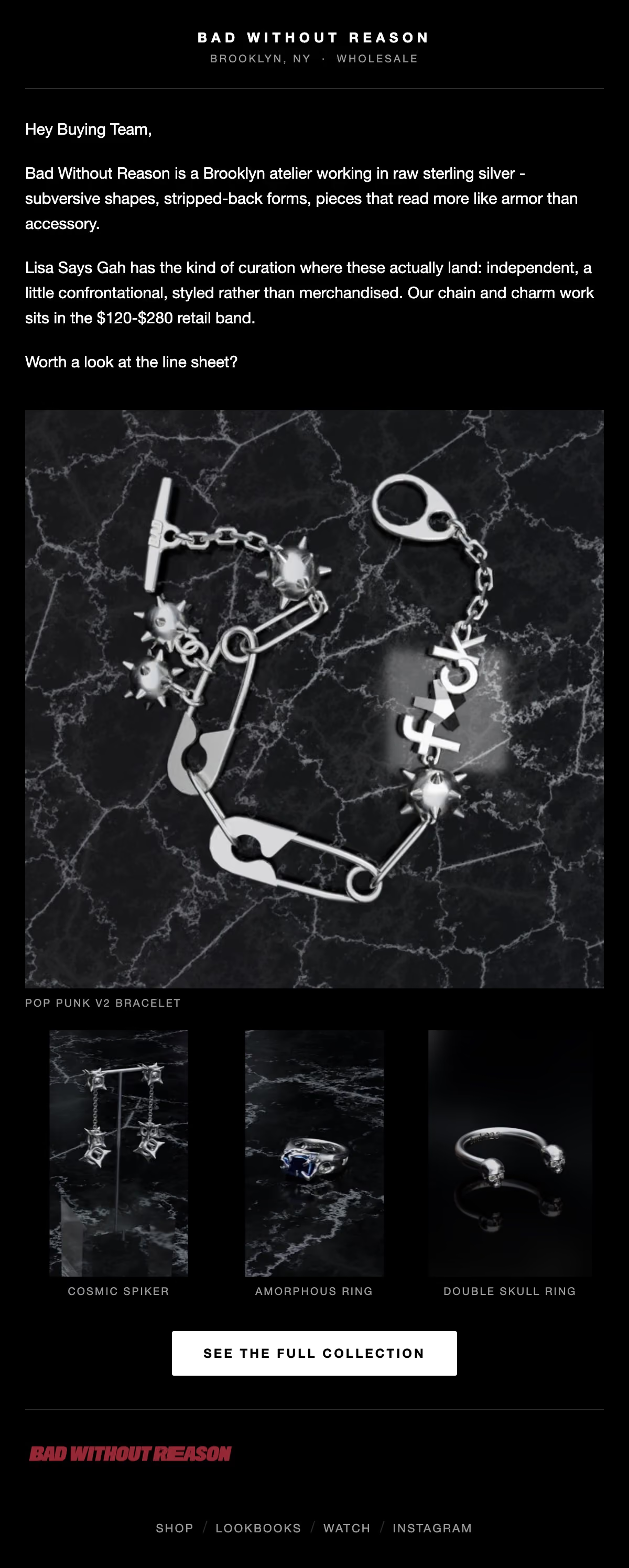
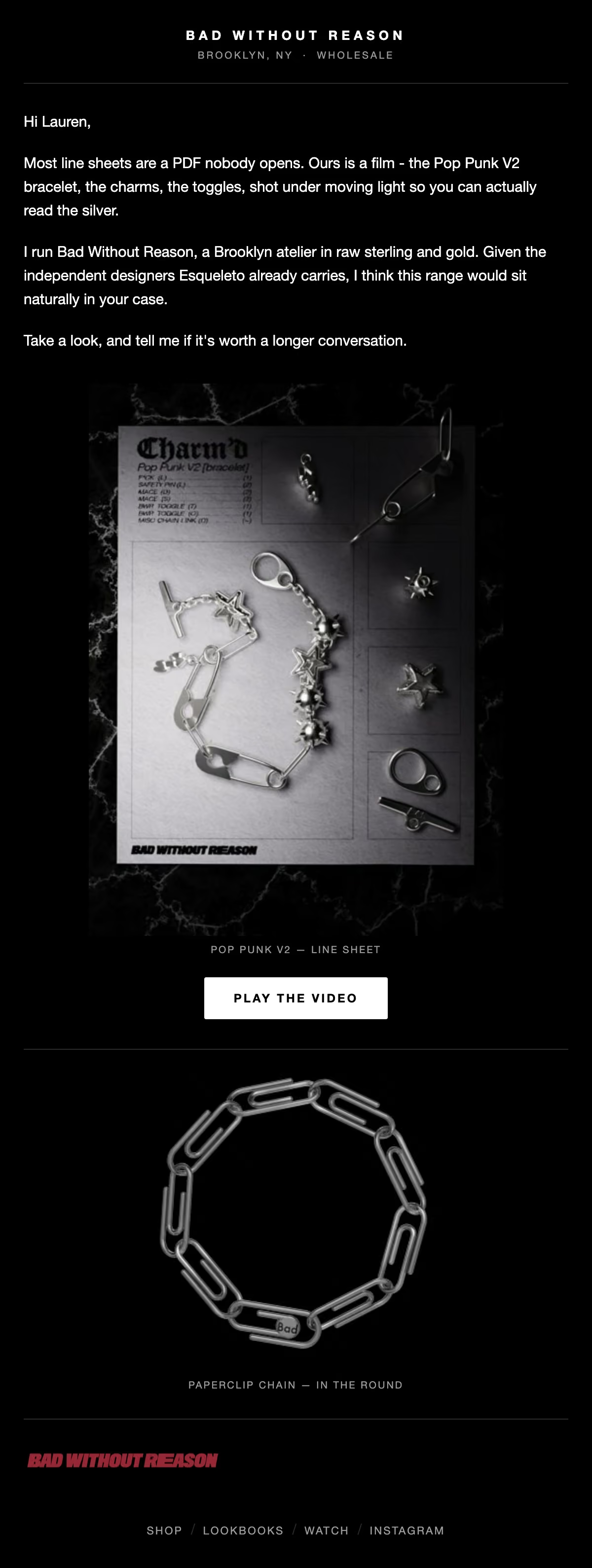
Six agents split the job — finding candidates, enriching them, classifying replies, drafting outreach in a voice calibrated from my own sent mail, researching opportunities, and gating the batch before send. They can find, draft and report unattended, but by default none of them can send. A real email to a real vendor stays an explicit decision I make.
LLM orchestration
Claude runs five of the six agent stages through the Anthropic API — web search for candidate boutiques, outreach drafting in voice styles calibrated from my own sent mail, reply classification, and opportunity research. One Google Sheet is the system of record for all of them.
- agent-workflow
- api-pipeline
- structured-extraction
- script-generation
- semi-autonomous
Human in the loop: Nothing emails a vendor without an approval. The agents create Gmail drafts only; the single sender script defaults to a dry run and requires --confirm; a do_not_email flag is checked by every downstream stage; and an automated Final Review gate must pass before a row can be marked ready to send.
Bad Without Reason is a Brooklyn punk-modern jewelry brand, and growing its wholesale side means finding the right independent boutiques, writing to them in a way that doesn’t read as templated, and not losing the thread on follow-ups.
Why hand it to agents
I was spending about two hours a day on that. The return on those hours is worse than it feels — the average cold email reply rate is now around 3.4%, down from 8.5% in 2019, so most of that work goes into messages nobody answers.
None of it is judgment work. The judgment is which stores are actually right, what the emails sound like, which openings are landing, and how a negotiation goes once someone replies. So the pipeline got the research and the drafting, and I kept the decisions.
The agents, and the one human gate
- Scout — searches the web for candidate boutiques and concept stores, cross-referenced against tracked retailers so nothing is added twice.
- Enrichment — fills in vendor type, fit reasoning and email for anything added bare by hand.
- Reviewer — reads Gmail threads and classifies replies, separately detecting bounces so a delivery failure is never mistaken for a real answer.
- Drafter — writes first-touch outreach and 10-day nudges in three voices calibrated from mail I had already sent and had land, as Gmail drafts only.
- Opportunities — researches trade shows and marketplaces and analyses how the pipeline itself is performing.
- Final Review — the automated pre-send gate: valid address, a real non-empty draft, no placeholder text, no duplicate recipient.
Each is a standalone Python script reading and writing one Google Sheet as the shared system of record. Every stage reads the full sheet and writes back only the rows it touched, so the pipeline is safe to re-run at any time.
The safety model is the point. Nothing here can email a vendor. The agents
create drafts and sheet rows; one separate script can send, defaults to a dry
run, and needs --confirm; a do_not_email flag is checked at every stage. The
only thing still on my desk is the send decision, which is where I wanted it.